
Dozens of pieces of art and ancient artifacts in several museums in Berlin were vandalized with an oily substance earlier this month, German media has reported.
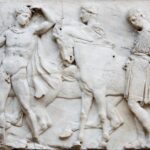
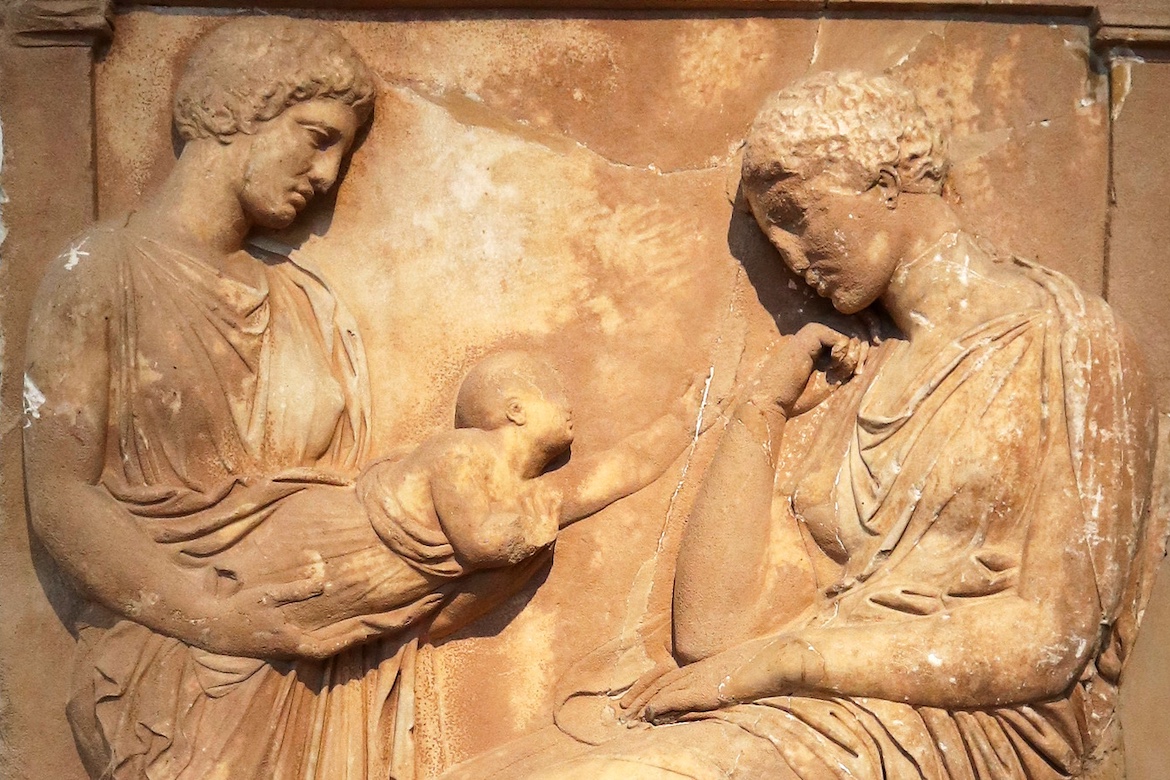
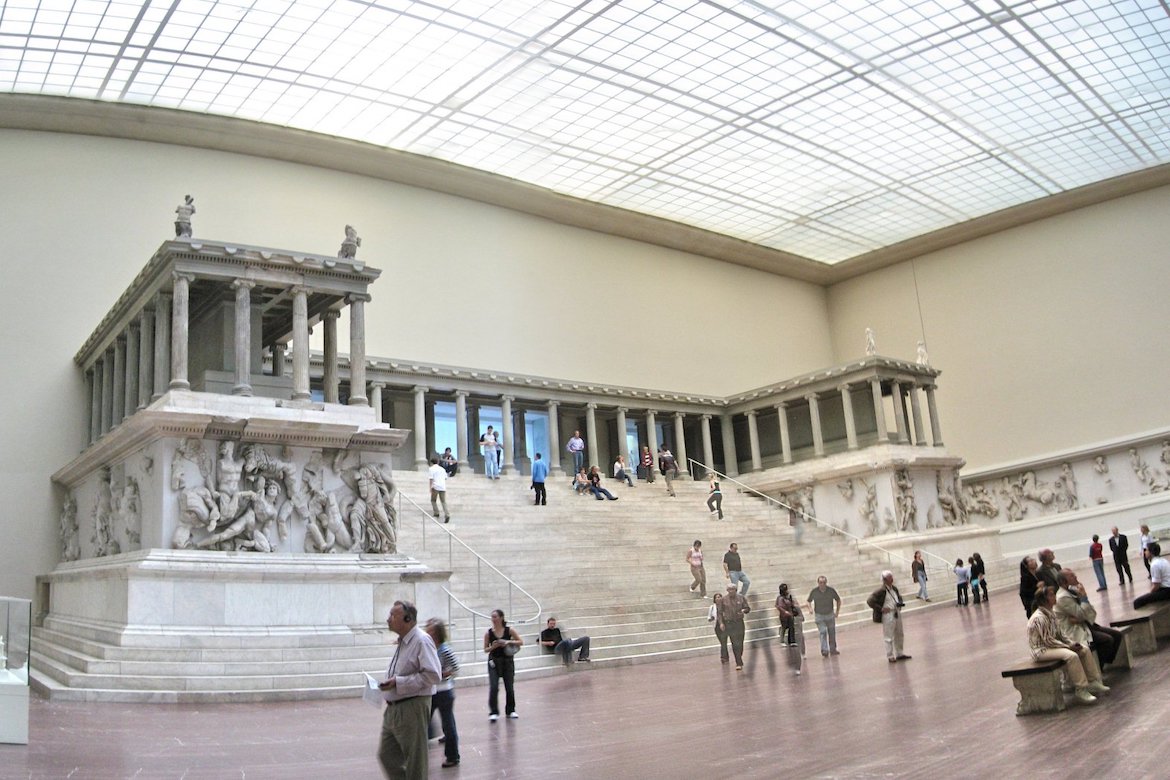
Included in the attacks were numerous ancient Greek objects, as well as a 3D exhibition of the famed Pergamon Altar. The altar was a massive temple erected by King Eumenes II in the second century BC and it was reconstructed more than a century ago in Germany with statues from the original site.
Other objects including Egyptian sarcophagi; stone sculptures and 19th-century paintings held at the Pergamon Museum; the Alte Nationalgalerie and the Neues Museum sustained visible damage during the vandalism on October 3.
News of the attack was kept from the public for more than two weeks.
Police in the German capital said they had launched an investigation but would not comment on a motive behind the attack. But German media have linked the museum incidents to conspiracy theories pushed through social media channels by prominent coronavirus deniers in recent months.
One such theory claims that the Pergamon Museum is the center of global satanism because it holds a reconstruction of the ancient Greek Pergamon Altar.
Attila Hildmann, a former vegan celebrity chef who has become one of Germany’s best-known proponents of the QAnon conspiracy theories, told his hundreds of thousands of followers that German chancellor Angela Merkel was using the Pergamon altar for “human sacrifices” of children.